The Cultural Significance of Songket in Southeast Asia
Across Malaysia, Indonesia, and Brunei, songket carries meaning well beyond its appearance — tied to identity, ceremony, and generations of shared heritage.
Read More
Stories & Insights
Across Malaysia, Indonesia, and Brunei, songket carries meaning well beyond its appearance — tied to identity, ceremony, and generations of shared heritage.
Read MoreSongket's luxury status isn't just marketing — it comes from genuine cost drivers: material, labour time, and centuries of royal association.
Read MoreSongket comes with its own vocabulary. This glossary collects the key terms you'll run into while shopping, in one quick reference.
Read MoreModern songket production spans hand looms and mechanical looms — both produce genuinely woven fabric, but with real differences in price, consistency, and character.
Read MoreBrunei maintains one of the most formally royal-linked songket traditions in the Malay world, worn prominently at national and palace ceremonies.
Read MoreIndonesian and Malaysian songket share a common lineage but have developed distinct regional identities, from Palembang's silk pieces to the east-coast Malaysian tradition.
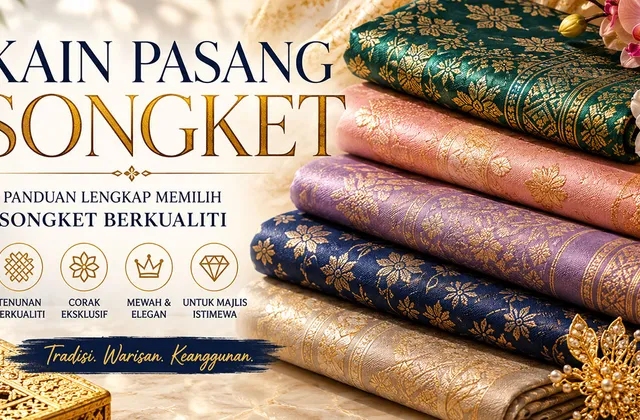
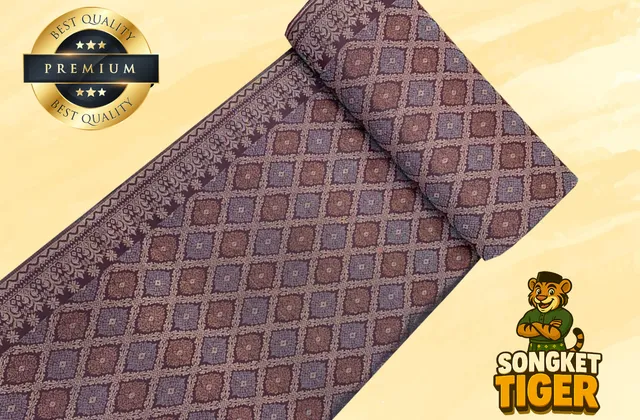
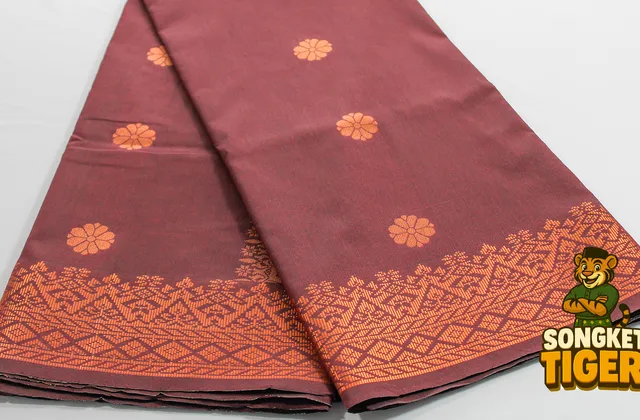
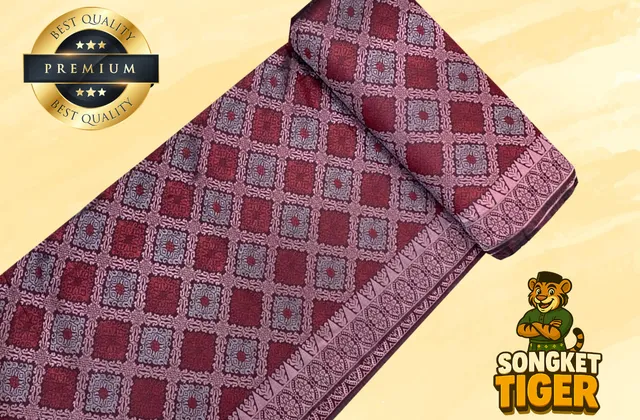
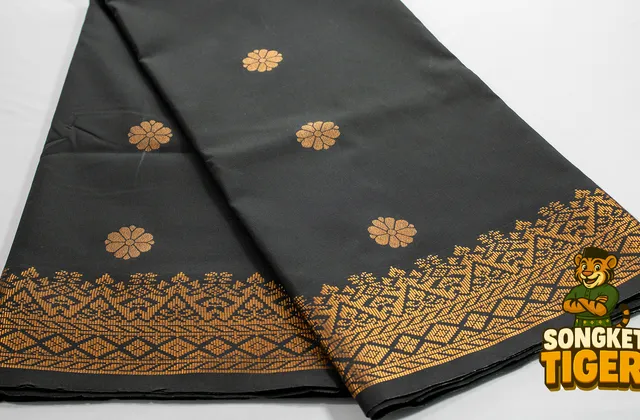
Read MoreKain pasang songket merupakan sehelai set kain yang digunakan untuk menghasilkan pakaian tradisional Melayu seperti baju kurung, baju kebaya dan baju Melayu.
Read MoreWithin Malaysia alone, songket varies by region — Terengganu and Kelantan in particular are renowned centres of the craft, each with recognizable stylistic tendencies.
Read MoreSongket's metallic pattern gets most of the attention, but the base fabric it's woven onto — silk, cotton, or a blend — shapes comfort, drape, and price just as much.
Read MoreGold and silver thread aren't interchangeable — they pair differently with base colours and carry slightly different visual moods.
Read MoreSongket colour choices aren't just aesthetic — many carry symbolic associations that inform which colour is chosen for which occasion.
Read MoreModern songket keeps the same weaving technique as tradition demands, but lightens the pattern density, colour palette, and overall silhouette for everyday wearability.
Read MoreTraditional songket sticks closely to established motifs, denser weaving, and classic colourways — here's what to look for if that's the style you want.
Read MoreSongket motifs are drawn mostly from nature — flowers, shoots, and celestial shapes — and each carries its own symbolic meaning within Malay weaving tradition.
Read MoreEvery songket pattern is built from repeating motif units arranged with deliberate structure. Learn how to read the layout before you learn what each motif means.
Read MoreTenun means "woven" in Malay — and songket is technically a type of tenun. Here's how the terms fit together instead of competing.
Read MoreBoth are celebrated Southeast Asian textiles, but songket is woven and batik is dyed — a fundamental difference that shapes everything from cost to care.
Read MoreSongket isn't one product — it spans several distinct weaving styles and fabric formats, each suited to different garments and occasions.
Read MoreSongket's exact birthplace is still debated among historians and craftspeople, but the leading theories all point to the same trade-connected corner of Southeast Asia.
Read MoreSongket's history stretches back centuries, tied closely to trade routes, royal patronage, and the weaving traditions of the Malay world.
Read MoreSongket is a handwoven textile decorated with supplementary gold or silver threads, worn across the Malay world for centuries. Here's what makes it distinct from ordinary fabric.
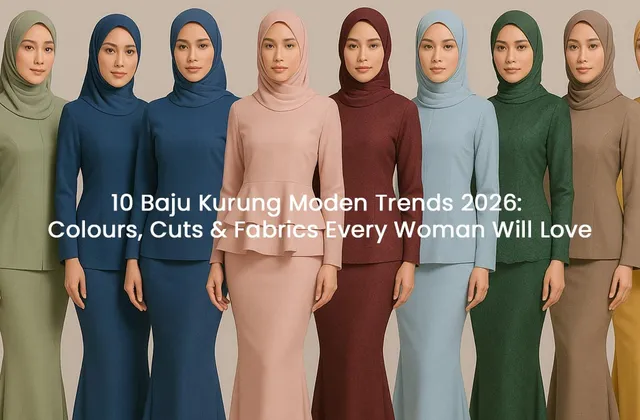
Read MoreThe world of Baju Kurung Moden continues to evolve every year, blending tradition with modern silhouettes to suit today's lifestyle — fresh colours, comfortable fabrics, and new interpretations of the classic kurung.
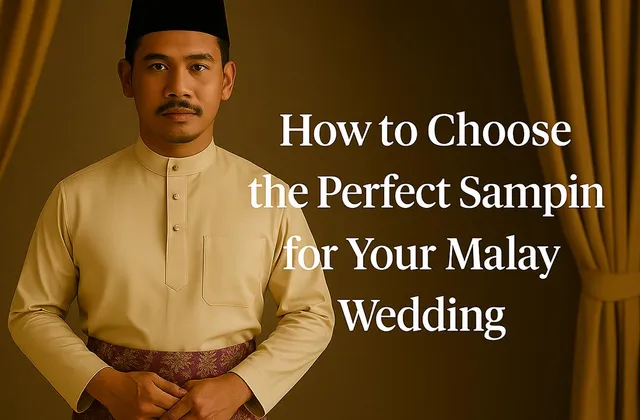
Read MoreChoosing the perfect Sampin for your Malay wedding is a significant decision that reflects cultural heritage, personal style, and the sanctity of the occasion.
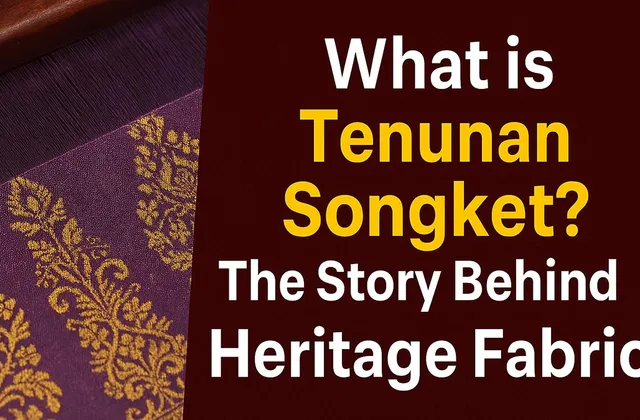
Read MoreTenunan Songket is a luxurious, handwoven textile that embodies the rich cultural heritage of the Malay world. Intricately crafted with gold or silver threads, songket is more than just fabric — it's a symbol of tradition, artistry, and identity.
Read More