
Blog Songket Fundamentals
Regional Songket Styles in Malaysia: Terengganu, Kelantan, and Beyond
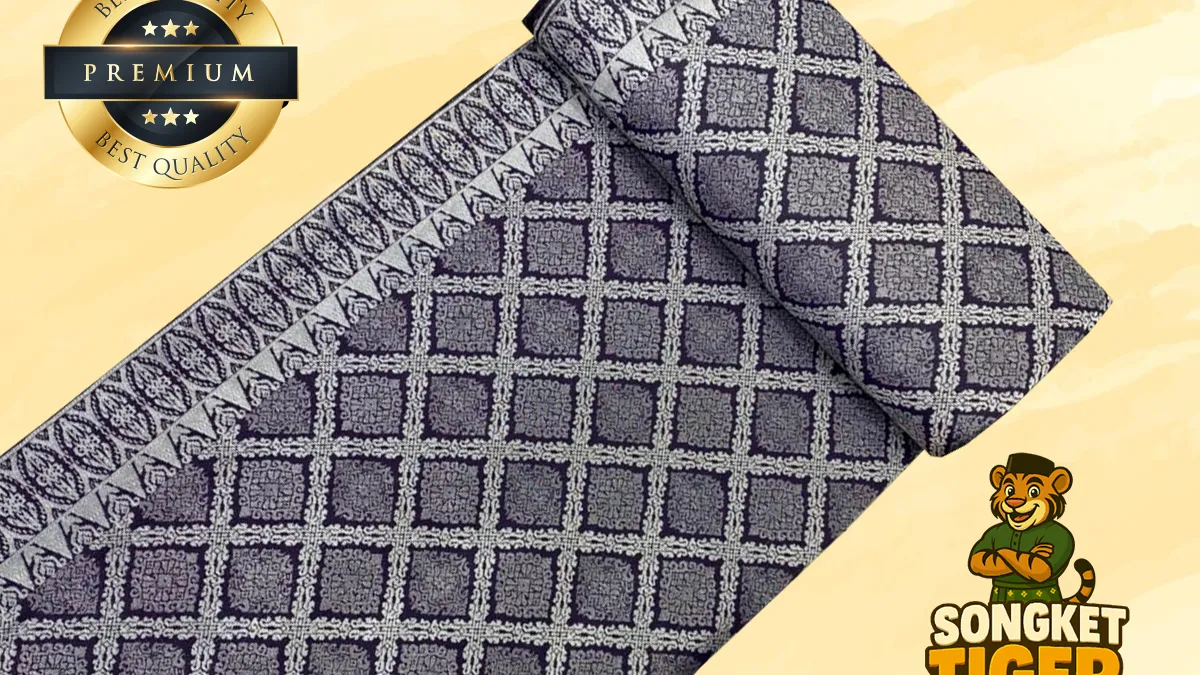
Songket isn’t uniform even within a single country — Malaysia’s own songket tradition varies meaningfully by region, shaped by local weaving communities, available materials, and generations of accumulated stylistic preference.
Terengganu: A Historic Centre of the Craft
Terengganu, on Malaysia’s east coast, is one of the most renowned centres of songket weaving in the country, with a weaving tradition often linked historically to royal patronage in the state. Terengganu songket is generally associated with intricate, densely worked motifs and a strong continuation of classical traditional design conventions, reflecting the state’s long-standing weaving heritage.
Kelantan: A Neighbouring Weaving Tradition
Kelantan, also on the east coast and neighbouring Terengganu, has its own long-established songket weaving tradition, sharing broad techniques with Terengganu while maintaining its own distinct motif preferences and regional character. Both states are frequently mentioned together as the historic heartland of Malaysian songket weaving, reflecting their shared east-coast cultural sphere.
Why the East Coast Became a Weaving Centre
The prominence of Terengganu and Kelantan in songket weaving is generally tied to historical royal court patronage in the region, along with established local textile and weaving skill that predates songket itself. Royal demand for ceremonial textiles supported specialized, skilled weaving communities over generations — the same dynamic that shaped songket’s broader history across the wider Malay world.
Regional Style as a Mark of Provenance
For collectors and serious buyers, knowing a piece’s regional weaving tradition can matter — much like provenance matters in other craft traditions — as an indicator of the specific motif conventions and weaving techniques used. That said, for most buyers today, regional origin is less important than simply judging weaving quality, motif clarity, and pattern density directly.
How Malaysia’s Songket Compares Regionally
Malaysia’s songket tradition sits alongside closely related traditions in Indonesia and Brunei, sharing a common broader lineage while each maintaining distinct regional character — a comparison we cover in songket Indonesia vs Malaysia and songket in Brunei.
Frequently Asked Questions
Is Terengganu or Kelantan songket considered “better”? Neither is objectively better — both are historically significant weaving centres with their own respected traditions. Quality within each region varies by individual weaver and workshop.
Can you tell a piece’s regional origin just by looking at it? Experienced buyers and collectors can often identify regional tendencies from motif choice and weaving style, but it’s not always definitive without knowing the piece’s actual production history.
Do modern manufacturers still follow specific regional traditions? Many do draw on established regional motif conventions as a foundation, even when producing songket at contemporary scale — it’s part of maintaining a recognizable link to the craft’s heritage.
Malaysia’s songket landscape is far from monolithic — and recognizing that regional depth is part of what makes the craft worth taking seriously, rather than treating it as one interchangeable product category.