
Blog Songket Fundamentals
Songket Fabric Types: Silk, Cotton, and Blends Compared
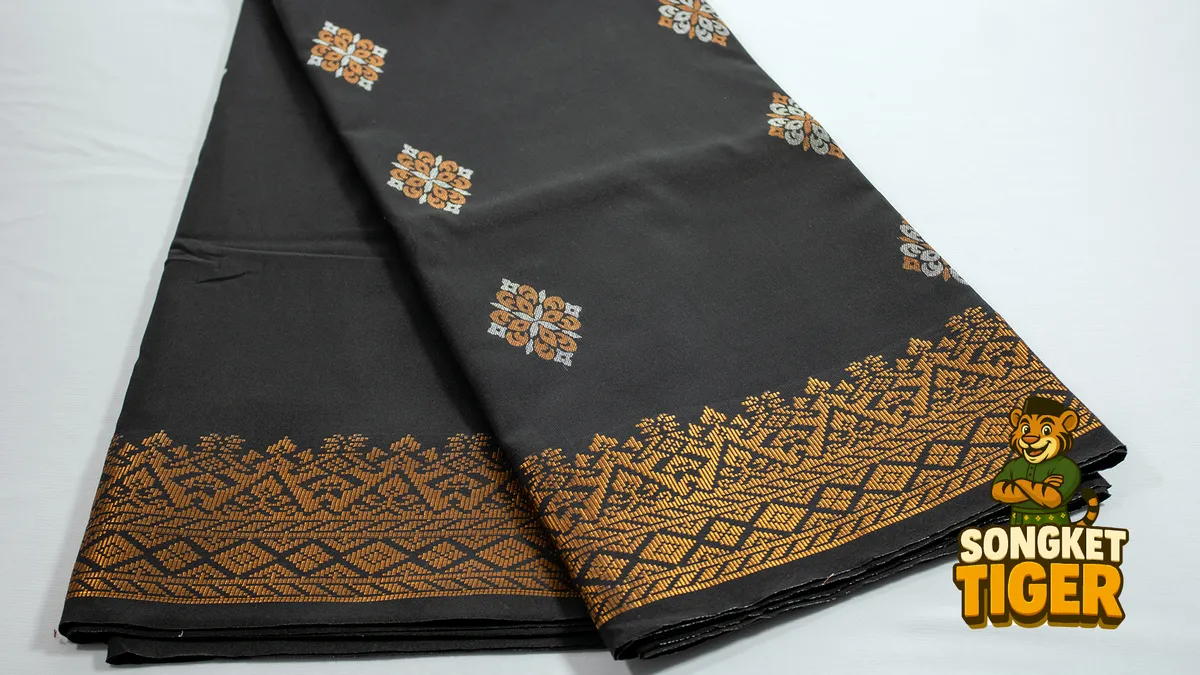
The gold or silver pattern is what everyone talks about, but the base fabric songket is woven onto matters just as much for comfort, drape, and price. Here’s how the main base fabric types compare.
Silk Base
Silk-based songket sits at the top of the range for feel and appearance — it has a natural sheen that complements metallic thread beautifully, drapes fluidly, and feels distinctly luxurious against the skin. The tradeoffs are cost (silk is the most expensive base fabric) and care requirements — silk songket generally needs more careful handling and professional cleaning to avoid damage.
Cotton Base
Cotton-based songket is more breathable and practical, particularly suited to warm, humid climates where comfort over a long event matters. It’s generally more affordable than silk and easier to care for, though it typically has a more matte finish and less fluid drape than silk. Cotton and cotton-blend bases are commonly used across our Handmade Sampin and everyday-formal songket ranges.
Cotton/Polyester and Synthetic Blends
Blended bases — commonly cotton/polyester — aim for a practical middle ground: more affordable than pure silk or cotton, generally more wrinkle-resistant, and often more colourfast over repeated wear and washing. This makes blended songket a popular choice for buyers who want the songket look for regular formal wear rather than a single special occasion, where the extra durability offsets a slightly less premium feel than silk.
How Fabric Base Interacts With Weight and Weave Density
The base fabric also interacts with how the piece is woven — a dense, full-weave pattern on a silk base can be considerably heavier and more structured than the same pattern density on a lighter cotton blend. If you’re choosing songket for a long ceremony where comfort matters, it’s worth considering fabric base and pattern density together, not just one or the other.
Matching Fabric Base to Occasion
As a general guide: silk-based songket suits the most formal, photographed occasions (weddings, official ceremonies) where drape and sheen matter most; cotton and blended bases suit everyday-formal wear, warmer climates, and situations where practicality and easier care are a higher priority than maximum luxury feel.
Frequently Asked Questions
Is silk songket always better quality than cotton songket? Not necessarily “better” — silk and cotton serve different purposes and price points. A well-woven cotton-base songket with clean, dense motif work can be higher quality than a poorly woven silk piece. Quality comes primarily from weaving craftsmanship, not fabric base alone.
Which fabric base is easiest to care for? Cotton and cotton/polyester blends are generally the most forgiving to wash and store; silk requires more careful handling, typically dry cleaning rather than regular washing.
Does fabric base affect the price more than the pattern does? Both matter significantly — a dense pattern on a premium silk base will always cost more than a light pattern on a cotton blend, but either factor alone can meaningfully shift the price.
Understanding fabric base gives you a second, equally important lens for comparing songket pieces beyond just the pattern and colour — and it’s often the difference between a piece that photographs beautifully and one that’s actually comfortable to wear all day.