
Blog Songket Fundamentals
The Cultural Significance of Songket in Southeast Asia
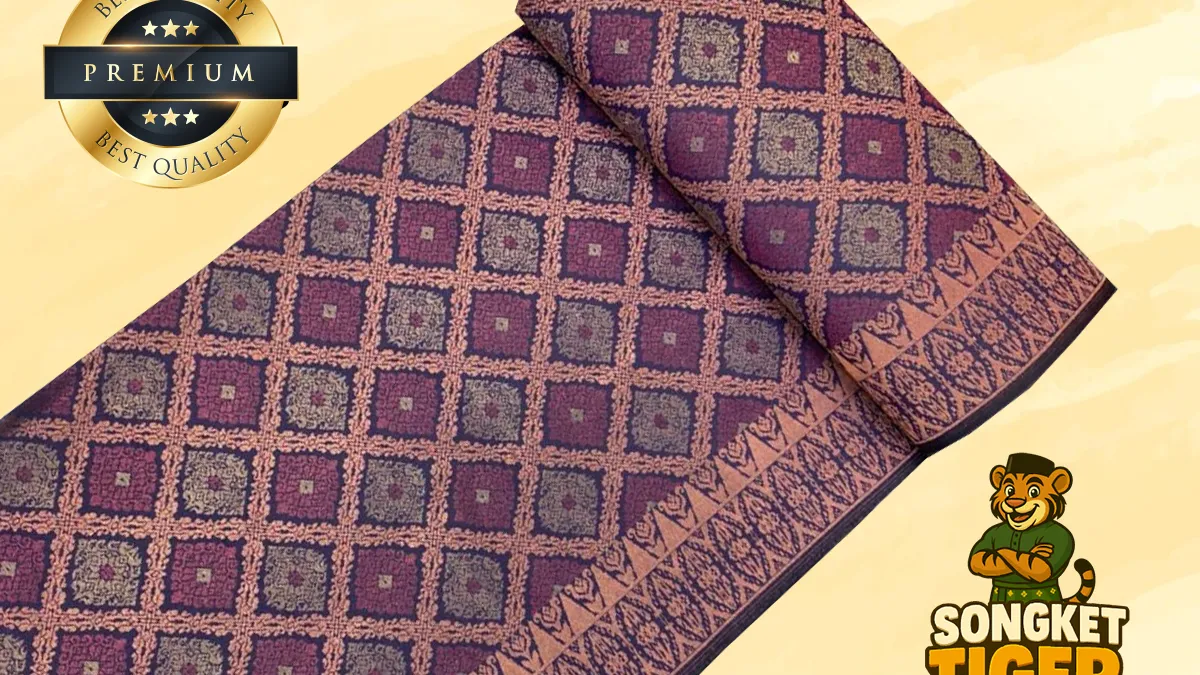
By now, if you’ve read through our other fundamentals guides, one theme keeps resurfacing: songket is never just fabric. Its cultural significance across the Malay world — Malaysia, Indonesia, and Brunei alike — is deep enough that understanding it changes how you see every other detail we’ve covered, from motifs to colour to price.
A Marker of Respect for Occasion
Wearing songket signals that an occasion matters. It’s chosen specifically for weddings, engagements, Hari Raya, and official ceremonies — not everyday wear — which means putting on songket is itself a small act of communicating respect for the event and the people involved. This is part of why the fabric’s ceremonial history still shapes how it’s worn today, centuries after its royal-court origins.
A Living Connection to Heritage
For many families across the region, songket is genuinely inherited — passed down, saved for, or gifted at significant life milestones, carrying memory alongside its material value. A piece worn at a grandmother’s wedding and later at a granddaughter’s carries a kind of continuity that a mass-produced garment simply can’t replicate, regardless of price.
Motifs as Symbolic Language
The motifs woven into songket aren’t decorative afterthoughts — bunga tabur, pucuk rebung, bintang beralih, and others each carry specific symbolic associations tied to values like growth, guidance, and prosperity. Choosing a piece with particular motifs can be a deliberate, meaningful decision, especially for milestone events like weddings and engagements.
Recognition as Intangible Cultural Heritage
Songket and the broader supplementary weft weaving tradition it belongs to have received growing recognition from cultural heritage bodies across the region as part of Southeast Asia’s intangible cultural heritage — formal acknowledgment that reinforces what weaving communities have always known: this is a craft worth actively preserving, not just a fashion trend to be replaced by the next one.
A Craft That Sustains Real Communities
Beyond symbolism, songket weaving remains a genuine livelihood for weaving communities across Malaysia, Indonesia, and Brunei, particularly in established regional centres like Terengganu and Kelantan. Buying songket, especially handmade pieces, has a direct economic connection to sustaining these communities and the specialized skills they hold — a point worth remembering alongside the fabric’s more symbolic meaning.
Frequently Asked Questions
Is it appropriate for non-Malay individuals to wear songket? Songket is increasingly worn and appreciated more broadly, particularly at weddings and cultural events where guests are invited to dress formally — context and occasion matter more than strict rules, and when in doubt, it’s reasonable to ask hosts or follow the event’s stated dress expectations.
Why is songket specifically worn at weddings rather than other formal fabrics? Its centuries-long association with celebration, status, and significant life events has made it the culturally expected choice for weddings specifically, reinforced by generations of continued practice.
Does buying machine-made songket still support the tradition? Yes, in the sense that continued demand — at any price point — keeps the fabric culturally present and economically viable; though buyers who want to directly support traditional hand-weaving skill specifically should look for handmade pieces.
That’s the thread running through everything in this series: songket endures not because it’s simply beautiful, but because generations of people have kept choosing it to mark the moments that matter most.