
Blog Songket Fundamentals
Songket Colors and Their Meanings
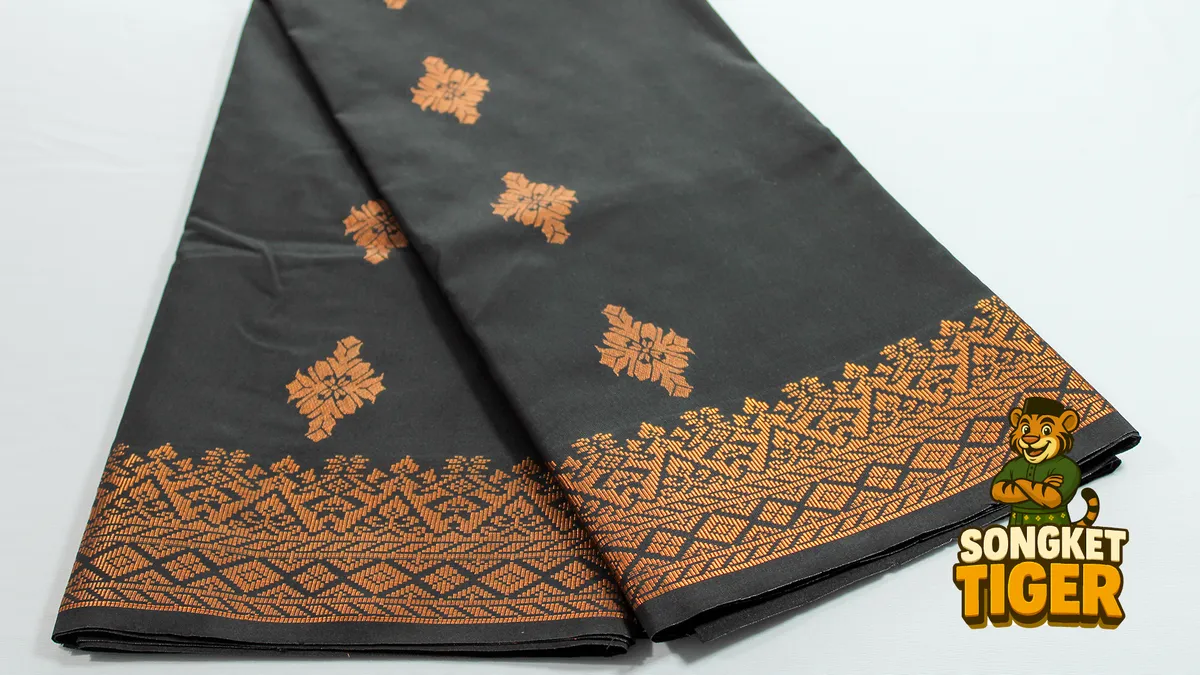
Colour is one of the first things anyone notices about a piece of songket — and in Malay textile tradition, colour choice was rarely arbitrary. While conventions have loosened considerably in modern practice, understanding the traditional associations still helps when choosing songket for a specific occasion.
Gold and Ivory: Timeless Elegance
Gold and ivory tones are the most classic songket pairing, often chosen for their association with tradition, purity, and understated elegance. A gold-on-ivory or cream base lets the metallic thread itself take center stage rather than competing with a bold background colour, which is part of why it remains a perennial favourite for both bridal wear and formal daywear.
Deep Red and Maroon: Celebration and Passion
Rich reds and maroons are strongly associated with celebration, passion, and festivity, making them one of the most commonly chosen colours for weddings and Hari Raya specifically. The high contrast between a deep red base and gold thread also produces one of the most visually striking combinations songket offers.
Emerald Green: Prosperity and Renewal
Green, particularly emerald and deeper forest tones, carries associations with prosperity, growth, and freshness. It’s a popular choice for engagement ceremonies and springtime or Hari Raya-season events, where the colour’s connotations of renewal feel particularly fitting.
Royal Blue and Navy: Confidence and Nobility
Blue tones — particularly royal blue and navy — are tied to confidence, dignity, and nobility, echoing songket’s historical association with royal courts. These shades work well for formal, official occasions where a more restrained, authoritative colour is preferred over the warmth of red or gold.
Black: Formality and Sophistication
Black songket, usually paired with gold or silver thread for maximum contrast, is associated with formality and sophistication. It’s a versatile choice that works across a wide range of occasions without the specific symbolic weight some brighter colours carry, which is part of why it remains one of the most consistently popular base colours.
Modern Earth Tones and Pastels
Contemporary modern songket has introduced a wider palette beyond these classic associations — olive green, terracotta, mocha brown, dusty pink, and champagne gold have all grown in popularity, chosen more for everyday versatility and current fashion trends than for symbolic meaning specifically.
Frequently Asked Questions
Do I have to follow traditional colour meanings when choosing songket? No — these are cultural associations, not strict rules. Many buyers today choose colour based on personal preference, what suits their skin tone, or what coordinates with the rest of a wedding’s colour scheme.
Is gold thread always paired with a dark base colour? Not always, but dark bases (black, maroon, navy, forest green) are popular specifically because they create the strongest visual contrast with gold thread. Silver thread is often paired with cooler or lighter base tones for a similar contrast effect — see gold vs silver thread songket.
What colour songket is most popular for weddings today? There’s no single answer — it varies by personal taste and current trend cycles, though gold/ivory, deep red, and increasingly earth-tone palettes all remain popular choices.
Colour is ultimately one of the most personal choices in selecting songket — but knowing the traditional associations gives you a richer starting point than choosing on looks alone.