
Blog Songket Fundamentals
Modern Songket: How the Fabric Is Evolving for a New Generation
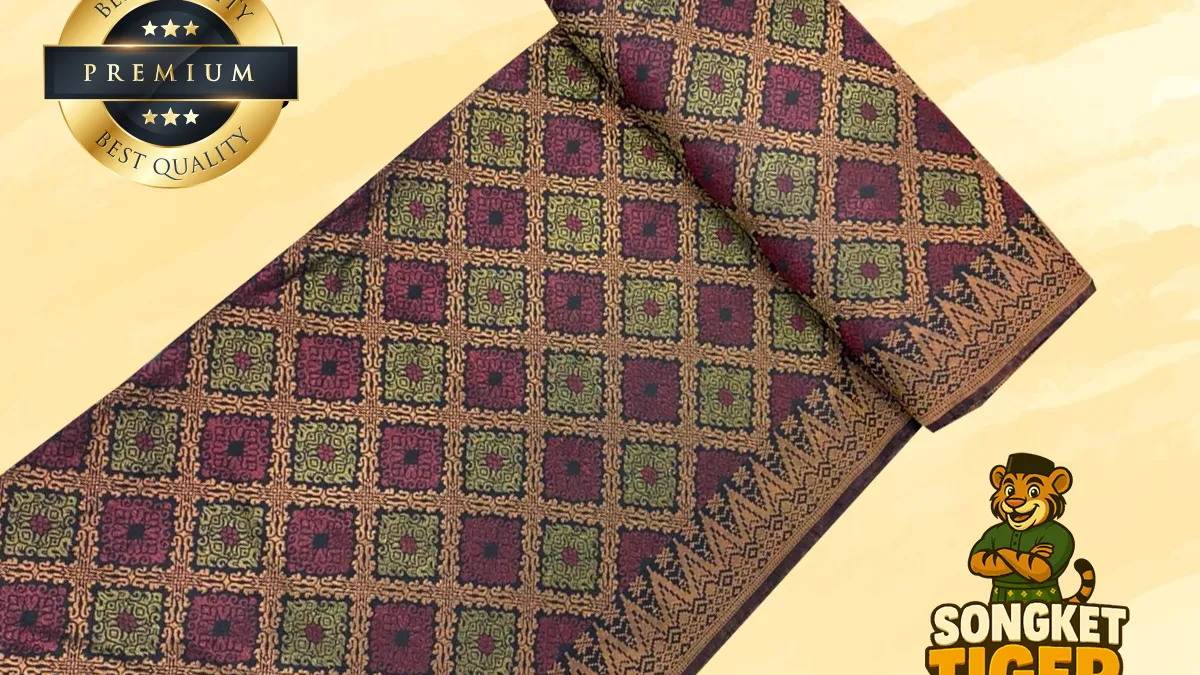
Modern songket isn’t a different fabric from traditional songket — it’s the same weaving technique, the same supplementary metallic thread, applied with a lighter, more contemporary design sensibility. Understanding what actually changes (and what doesn’t) helps explain why modern songket has become so popular without diluting the craft itself.
What Stays the Same
Crucially, modern songket is still genuinely woven using the same supplementary weft technique as traditional songket — it isn’t a shortcut or an imitation. The core definition of what songket is doesn’t change; what changes is the design layer on top of that technique.
Lighter, More Open Pattern Spacing
Where traditional songket favors dense, continuous pattern coverage, modern songket typically spaces its motifs more openly, leaving more visible plain fabric between decorative elements. This produces a cleaner, less visually heavy result that reads as elegant rather than ornate — better suited to everyday formal wear rather than exclusively bridal or ceremonial use.
Softer, More Versatile Colour Palettes
Modern songket has moved beyond the classic deep-red, black, and royal-blue palette into softer, more wearable tones — dusty pastels, earth tones like olive and terracotta, and muted neutrals. These colours are chosen specifically for versatility, pairing more easily with a wider range of accessories and other garments than the bold, high-contrast colours traditional songket favors.
Lighter Fabric Weight
Reduced pattern density generally also means less metallic thread overall, which produces a noticeably lighter, more breathable fabric — a meaningful advantage in a tropical climate, and part of why modern songket appeals to buyers who want the heritage look without the weight of a fully traditional piece.
Simplified, Youth-Oriented Motif Use
Modern songket tends to draw on a smaller, more curated set of motifs per piece rather than layering many different patterns together, giving each design a cleaner focal point. This isn’t a loss of tradition so much as restraint — a deliberate design choice aimed at younger buyers who want something wearable beyond a single wedding day.
Frequently Asked Questions
Is modern songket less authentic than traditional songket? No — “modern” describes the design choices (colour, spacing, motif count), not the weaving technique itself, which remains the same genuine songket process. Authenticity comes from how the fabric is made, not which colour palette it uses.
Can modern songket still be worn to a wedding? Yes, particularly for engagement events, receptions, or as the groom’s or family members’ attire — though the bride’s main ceremonial piece more often still follows traditional, denser conventions.
Is modern songket cheaper than traditional songket? Often yes, since lighter pattern density generally uses less metallic thread and weaving time, though fabric base and whether it’s handmade also significantly affect price — see songket fabric types.
Modern songket is best understood as an evolution, not a departure — the same centuries-old technique, deliberately styled for a generation that wants to wear their heritage more often than once a year.