
Blog Songket Fundamentals
Songket vs Batik: What's the Real Difference?
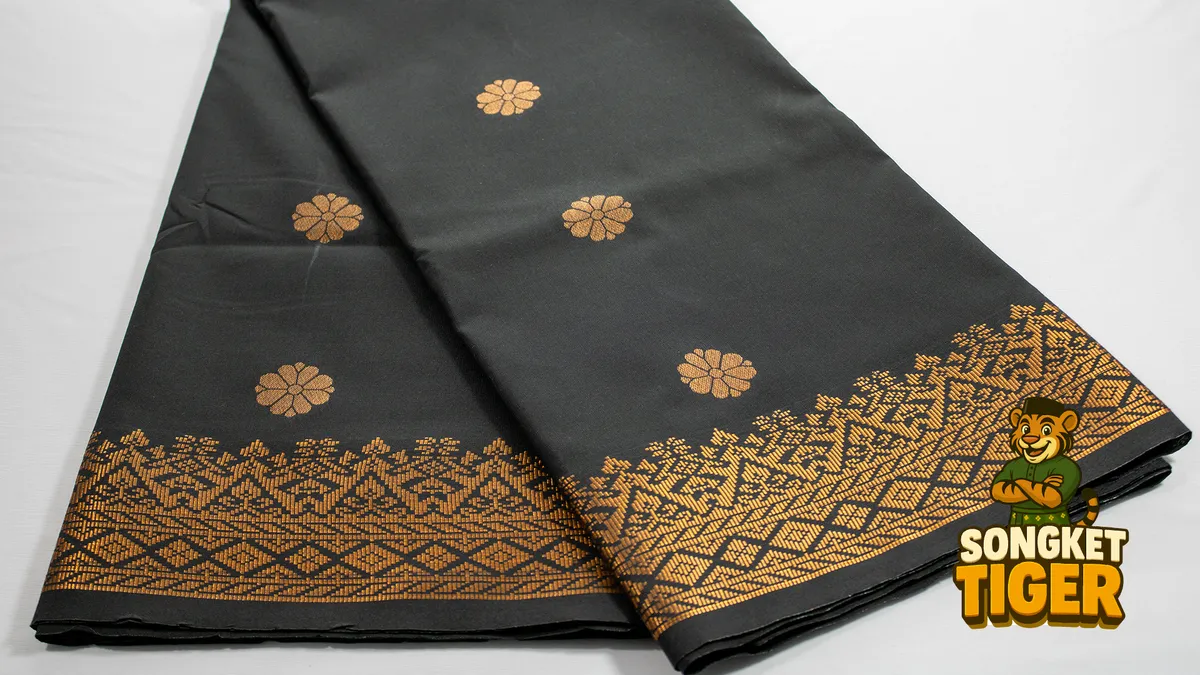
Songket and batik are probably the two most recognizable textiles associated with Malay and wider Southeast Asian dress, and they’re often mentioned in the same breath — worn at the same events, sold in the same shops. But they are made through entirely different processes, and mixing them up leads to real confusion when you’re shopping or trying to care for a garment properly.
The Core Difference: Woven vs Dyed
Songket is a weaving technique. The gold or silver pattern is built directly into the structure of the cloth as it’s woven, using a supplementary weft thread that’s inserted alongside the base weave to create raised, textured motifs. Run your fingers over genuine songket and you can feel the pattern.
Batik, by contrast, is a dyeing technique. A design is applied to plain woven fabric using wax (traditionally with a tool called a canting, or with copper stamps for stamped batik) to block dye from certain areas, then the fabric is dyed — the wax resists the colour, leaving the covered areas in the original fabric colour once the wax is removed. The pattern in batik is flat and printed into the surface colour, not woven into the structure.
Look and Feel
Because of how they’re made, songket and batik feel and look distinctly different:
- Songket has a raised, textured, metallic surface — it catches light and has visible dimension.
- Batik is flat and smooth, with the pattern existing purely as colour variation across the fabric surface — no texture change at all.
Occasion and Formality
Both fabrics carry cultural weight, but they tend to sit at different points on the formality scale. Songket, particularly full-weave songket, is typically reserved for the most formal occasions — weddings, engagements, official ceremonies — because of its cost and visual weight. Batik is worn far more broadly, from formal office wear to everyday clothing, since the dyeing process is faster and less material-intensive than weaving metallic thread into cloth by hand or machine.
Cost and Production Time
Songket generally costs more than batik of comparable size, largely because of the metallic thread itself and the additional weaving time required to insert it — a factor we cover in why songket is a luxury fabric. Batik’s cost varies more by whether it’s hand-drawn (more labour-intensive, more expensive) or machine-stamped/printed (faster, more affordable).
Frequently Asked Questions
Can a fabric be both songket and batik? Not in the traditional sense — they’re different production methods applied to the base cloth. However, some contemporary designers do combine batik-dyed fabric with songket-style trim or panels in a single garment.
Which is more durable, songket or batik? Both can last for years with proper care, but they require different care approaches — songket’s metallic thread needs gentler handling than batik’s dye, which is more about avoiding fading. See our care and maintenance guides for specifics on each.
Is songket more traditional than batik? Both are genuinely old, well-documented Southeast Asian textile traditions — neither is “more” traditional than the other. They simply developed as different techniques within the same broader region.
If you remember one thing: songket is woven, batik is dyed. Everything else — the look, the cost, the occasions each is worn for — flows from that one structural difference.